
Open models that run even on phones, a cheaper way to give agents documentation and an Android change that affects anyone publishing apps in Brazil.

Gemma 4 brings Google's open models to phones, IoT and consumer GPUs
Google DeepMind released Gemma 4, a family of open models built from Gemini 3 research. The smaller versions understand audio and images and run offline on devices such as phones, Raspberry Pi and Jetson Nano, while the larger ones are optimized for consumer GPUs and aimed at coding assistants and agents. The models have native function calling and can be fine-tuned with each team's preferred frameworks.
Running capable AI on your own hardware cuts per-call costs and keeps data inside the company. It is an option for offline apps, field devices and internal assistants with sensitive data.
How Dexpert helps: Artificial IntelligenceSources
- Google DeepMind: Gemma 4
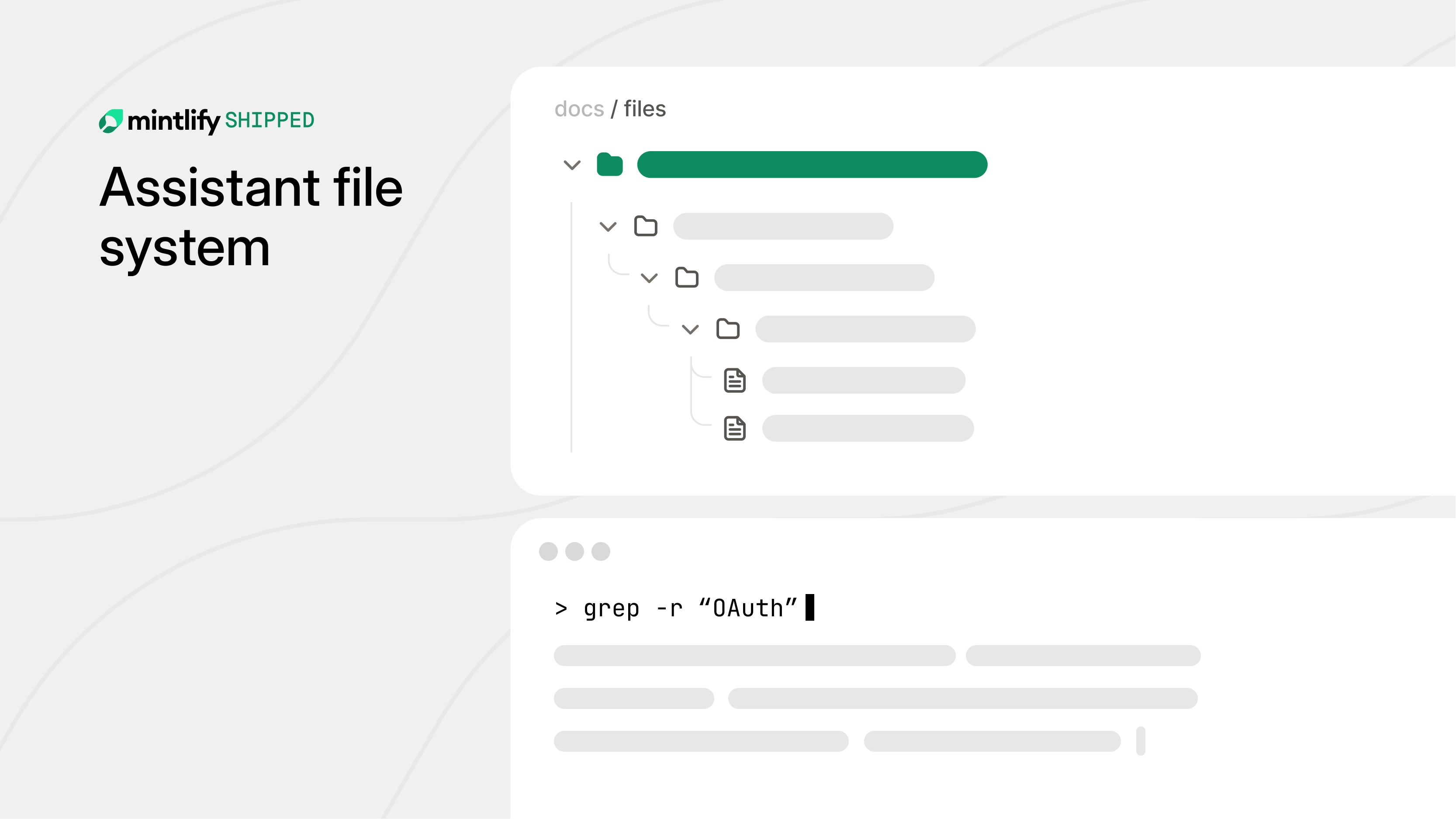
Mintlify replaces RAG with a virtual filesystem and opens sessions in 100 ms
Mintlify says its documentation assistant only retrieved chunks that matched the query and failed when the answer was spread across several pages. The team wanted the agent to explore docs the way it explores code, with commands such as grep, cat and ls, but creating an isolated machine per conversation took about 46 seconds and would cost more than $70,000 a year. The solution was ChromaFs, a virtual filesystem that turns those commands into queries against the existing database, cutting session start to about 100 milliseconds with no extra compute cost.
Assistants that must answer precisely about documentation, contracts or knowledge bases can gain a lot by navigating the content instead of only retrieving chunks. And it can be done reusing the search infrastructure the company already has.
How Dexpert helps: Artificial IntelligenceSources

Android developer verification starts applying in Brazil in September
Google started rolling out Android developer verification to all developers, in Play Console and the new Android Developer Console, including those who distribute apps outside Google Play. The user experience changes first in Brazil, Indonesia, Singapore and Thailand, in September, and expands globally in 2027. After that, installing an unregistered app will require an advanced flow or ADB, and Android Studio will show the app's registration status when generating the signed package.
Brazilian companies that distribute Android apps outside the store, such as enterprise or field apps, need to verify their account and register their apps before September. Add this step to the release process now.
How Dexpert helps: Mobile AppsSources
Want to put one of these to work in your company?
Dexpert builds custom systems, apps, integrations and AI solutions. Tell us what you need and get an estimate, or take the free digital maturity assessment.