
We start the year with a look back at what changed in AI in 2025, a new Apple rule for browsers in Japan and a project that takes SQLite to distributed clusters.
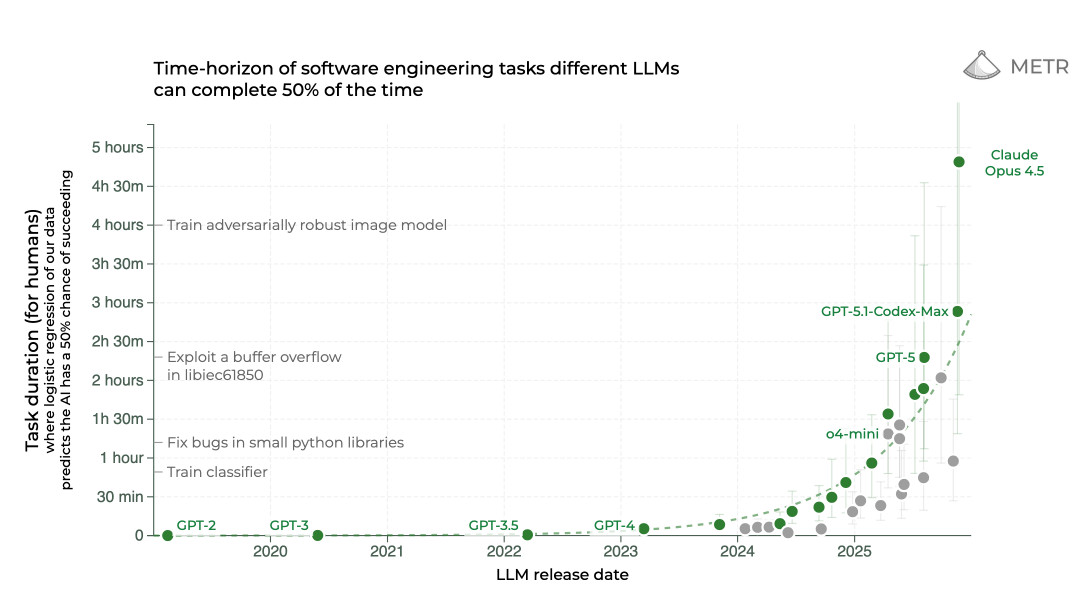
2025, the year of reasoning models and coding agents
In his yearly review, Simon Willison notes that every major lab released reasoning models in 2025 and that the biggest gain came from tool use: models started to plan multi-step tasks, run them and adjust the plan based on the results. According to him, this made AI-assisted search actually work and led to the year of coding agents such as Claude Code. The post also highlights the rise of Chinese open-weight models and how much better local models became.
For companies, the lesson is that useful AI today is the kind that carries out tasks with real tools and data, not only the kind that chats. It is worth mapping multi-step processes, such as research, customer service and code maintenance, that an agent with controlled access to your systems could take on.
How Dexpert helps: Artificial IntelligenceSources
- Simon Willison: 2025: The Year in LLMs

iOS accepts browser engines other than WebKit in Japan
Apple says that, starting with iOS 26.2, apps for users in Japan can use browser engines other than WebKit, both in full browser apps and in the in-app browsing of companies that maintain their own engine. Developers need a specific entitlement, must pass minimum percentages of standard web test suites and commit to security requirements such as timely updates and a published vulnerability disclosure policy. Apple provides access to system features such as just-in-time compilation and multiprocess support.
Companies whose apps rely on web content in Japan get new technical options, with clear compliance requirements. It is a sign that app store rules are changing by region, and mobile teams need to track these differences when planning their roadmap.
How Dexpert helps: Mobile AppsSources
- Apple Developer: Using alternative browser engines in Japan
Marmot replicates SQLite across servers and speaks to MySQL clients
Marmot is an open source project that replicates SQLite databases across several nodes without a leader: any node accepts writes, and consistency is reached through a gossip protocol with distributed transactions. It is compatible with the MySQL wire protocol, so tools such as DBeaver and MySQL Workbench can connect to it, and the project says it can even run a distributed WordPress. It also includes built-in vector indexes for RAG applications.
For edge applications, such as stores, branches or devices that need a resilient local database, this kind of replication cuts down the work of failover and replicas. Before adopting it, check whether eventual consistency fits the business rules.
How Dexpert helps: Backend & APIsWant to put one of these to work in your company?
Dexpert builds custom systems, apps, integrations and AI solutions. Tell us what you need and get an estimate, or take the free digital maturity assessment.